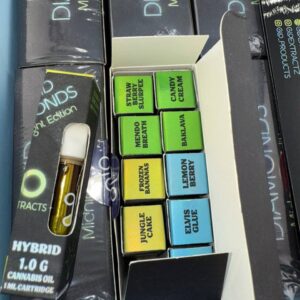
Marijuana Vape Cartrigdes
Why Marijuana Vape Cartridges Dominate the Cannabis Market
Firstly, Buy medical marijuana vape Europe, Marijuana vape cartridges have become the most convenient way to consume cannabis. A cartridge paired with a 510-thread battery is ready in seconds, delivers effects within minutes, and produces no smoke, ash, or lingering odor. For consumers who value precision, portability, and discretion, vape carts are the obvious choice.
But the convenience hides a steep learning curve. Two cartridges can both say “Gelato” and “85% THC” on the label, yet deliver completely different experiences. One may taste like authentic cannabis flower; the other like artificial candy. One may feel layered and balanced; the other flat and one-dimensional.
The difference isn’t branding. It’s chemistry, extraction method, and hardware quality.
This guide breaks down everything you need to know to choose a marijuana vape cartridge that actually matches your expectations.
The Anatomy of a Marijuana Vape Cartridge
Secondly, THC cartridges prescription Germany, Understanding what’s inside a cart helps you evaluate quality before you buy.
The Hardware Components
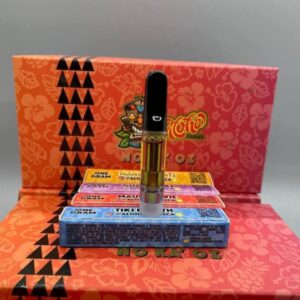
A standard 510-thread cartridge consists of three main parts:
-
Mouthpiece: Where you draw vapor. Quality carts use food-grade materials that don’t impart plastic or chemical tastes.
-
Tank/Chamber: Holds the cannabis oil. Glass is preferred over plastic because it doesn’t react with terpenes or degrade over time.
-
Heating Element (Atomizer): The coil that vaporizes the oil. Ceramic coils are generally superior to cotton wicks because they heat evenly and resist burning.
510-thread is the universal standard for cartridge compatibility. Any 510 cart fits any 510 battery, giving you flexibility to mix and match brands, strains, and hardware.
The Oil Inside
The cannabis oil itself is where the real differences lie. Three primary extract types dominate the market:
-
Distillate: Highly refined, high-purity THC oil
-
Live Resin: Full-spectrum extract made from fresh-frozen plants
-
Full-Spectrum/CO2 Oil: Middle ground between the two
Each delivers a fundamentally different experience.
Distillate vs. Live Resin vs. Full-Spectrum: What’s the Difference?
Distillate: Maximum Potency, Minimum Character
Distillate is created through a multi-stage refinement process that isolates specific cannabinoids—usually THC—from the rest of the plant material. The result is an oil that can reach 85–95% THC purity.
How it’s made: After initial extraction, the oil undergoes distillation, where it’s heated to precise temperatures to separate individual compounds. Terpenes, flavonoids, and minor cannabinoids are stripped away.
Flavor: Raw distillate is nearly tasteless and odorless. Most brands reintroduce terpenes—either cannabis-derived or botanical—to add flavor. Botanical terpenes can taste artificial compared to cannabis-derived ones.
Effects: Distillate delivers a direct, potent, predictable THC experience. Users often describe it as “one-dimensional” compared to full-spectrum options, because it lacks the minor cannabinoids and terpenes that modulate the high.
Best for: Consumers who prioritize maximum potency per puff, consistent effects, and lower price points. Also ideal for those who prefer milder, less “loud” cannabis flavors.
Buy medical marijuana vape Europe,THC cartridges prescription Germany,Medical cannabis cartridges,Medical cannabis pharmacy Netherlands,Spain,Norway,UK,EU
Live Resin: Flavor-First, Full-Spectrum Experience
Live resin is made from cannabis plants that are flash-frozen immediately after harvest, before drying or curing. This preserves volatile terpenes that would otherwise evaporate during traditional processing.
How it’s made: The frozen plant material undergoes hydrocarbon or CO2 extraction at low temperatures to preserve the full chemical profile. The resulting oil contains THC, minor cannabinoids (CBG, CBC, CBN), and the plant’s native terpenes.
Flavor: This is where live resin shines. The terpene content in quality live resin carts can reach 10–15%, compared to 5–8% in typical distillate products. The flavor is layered, strain-specific, and actually tastes like the original flower.
Effects: Live resin typically contains 70–85% THC—lower than distillate, but often feels more satisfying. The preserved terpenes and minor cannabinoids work together through the entourage effect, creating a more nuanced, balanced experience that reflects the strain’s character.
Best for: Flavor enthusiasts, consumers who want strain-authentic effects, and anyone who finds distillate “feels flat.”
Full-Spectrum / CO2 Oil: The Middle Ground
Full-spectrum extracts aim to preserve the complete cannabinoid and terpene profile of the source plant, without the extreme refinement of distillate or the fresh-frozen specificity of live resin.
How it’s made: CO2 extraction uses pressurized carbon dioxide to pull cannabinoids and terpenes from dried and cured plant material. The process preserves more compounds than distillation but less than live resin.
Flavor: Moderate terpene content—more complex than distillate, less intense than live resin.
Effects: Typically 60–80% THC with a richer supporting cast of minor cannabinoids. Users often report clearer distinctions between indica and sativa effects than they experience with distillate.
Best for: Consumers seeking balance between potency, flavor, and value. A good entry point for those curious about full-spectrum effects without the premium price of live resin.
Comparison at a Glance
| Feature | Distillate | Live Resin | Full-Spectrum/CO2 |
|---|---|---|---|
| THC Range | 85–95% | 70–85% | 60–80% |
| Terpene Content | 5–8% (often added) | 10–15% (native) | Moderate |
| Flavor | Neutral or artificial | Authentic, layered | Balanced |
| Effects | Direct, predictable | Nuanced, strain-specific | Balanced, therapeutic |
| Price | $ | $$$ | $$ |
| Best For | Potency seekers | Flavor/connoisseurs | Value + experience |
How to Read a Marijuana Vape Cartridge Label
THC Percentage: What It Actually Means
A higher THC percentage does not automatically mean a better cartridge. Distillate carts often test in the 85–95% range because most non-cannabinoid compounds have been removed. A 75% live resin cart can feel more satisfying because the terpenes and minor cannabinoids shape the experience in ways THC alone cannot.
Use THC percentage as one data point among several, not the sole criterion.
Terpene Profile: The Real Predictor of Experience
Terpenes are aromatic compounds that give cannabis its distinctive smell and contribute to its effects. For indica-dominant strains, look for:
-
Myrcene: Earthy, musky; promotes sedation and relaxation
-
Linalool: Floral, lavender; calming and sleep-promoting
-
Beta-Caryophyllene: Peppery, spicy; anti-inflammatory and analgesic
For sativa-dominant strains, look for limonene (citrus) and pinene (pine), which are associated with mood elevation and alertness.
A quality cartridge will list its terpene profile on the packaging or website. If a brand hides this information, look elsewhere.
Minor Cannabinoids
Beyond THC and CBD, minor cannabinoids like CBG, CBC, and CBN contribute to the entourage effect. Live resin and full-spectrum carts naturally contain these; distillate carts usually do not.
Hardware Matters: What to Look for in a Cartridge
The oil is only half the equation. The hardware determines how well that oil vaporizes.
Coil Type
-
Ceramic coils: Heat evenly, resist burning, preserve flavor. Preferred for live resin and terpene-rich oils.
-
Cotton wicks: Cheaper, more prone to dry hits and burnt tastes.
-
Quartz coils: Used in some premium carts, excellent heat resistance.
Intake Holes
The size of the intake holes must match the viscosity of the oil. Thick oils (pure distillate, live resin) need larger holes to wick properly. Thin oils (heavily diluted blends) need smaller holes to prevent flooding.
Reputable brands match their hardware to their oil. If you’re buying a cart that clogs constantly or leaks, the hardware-oil mismatch is often the culprit.
Materials
-
Glass tank: Preferred; doesn’t react with terpenes
-
Stainless steel components: Durable, clean
-
Plastic: Avoid; can leach chemicals and affect flavor
Battery Compatibility
All 510-thread carts work with all 510-thread batteries. However, voltage matters:
-
2.4–2.8V: Ideal for live resin and terpene-rich oils; preserves flavor
-
3.0–3.4V: Suitable for distillate; produces larger clouds
-
Above 3.6V: Risks burning oil and degrading terpenes
Many batteries offer preheat functions, which gently warm thick oil before you draw—useful in cold weather or with high-viscosity extracts.
How to Choose the Right Marijuana Vape Cartridge
For Beginners
Start with a half-gram live resin disposable in a balanced hybrid strain. Live resin gives you a more representative cannabis experience than distillate, which helps you learn what effects you actually enjoy.
If you prefer a 510 setup, pair a simple variable-voltage battery with a half-gram live resin cart.
For Sleep and Relaxation
Look for indica-dominant live resin carts with high myrcene terpene profiles. Myrcene is associated with sedation and body relaxation.
For Daytime and Social Use
Choose sativa-leaning carts with limonene (citrus-forward). These tend to be mood-elevating without heavy sedation.
For Maximum Potency
Distillate carts deliver the highest THC percentages. If your goal is simply the strongest psychoactive effect per puff, distillate is the most efficient option.
For Flavor and Authenticity
Live resin and live rosin carts preserve the most terpenes and deliver the closest experience to actual flower.
For Value
Distillate carts are typically the most affordable. Full-spectrum/CO2 offers a middle ground. Live resin commands a premium of 20–40% over comparable distillate.
How Many Puffs Are in a Cartridge?
A realistic estimate for a 1g cartridge is 150–400 puffs, with most users landing around 200–300 with moderate voltage and 2–3 second draws.
| Cart Size | Estimated Puffs |
|---|---|
| 0.5g | ~75–160 |
| 1g | ~150–400 (often 200–300) |
| 2g | ~300–600 |
Note: Puff count depends heavily on draw length, voltage, and oil viscosity. Longer, hotter draws consume more oil per puff.
Preventing and Fixing Common Cartridge Problems
Clogging
The most common cartridge issue. Caused by oil thickening in the airway or around the coil.
Prevention:
-
Store carts upright (mouthpiece up) between sessions
-
Use slow, steady draws (2–3 seconds) rather than hard pulls
-
Keep at room temperature; avoid cold cars or hot glove compartments
-
Use the preheat function if your battery has one
Fixes:
-
Gently warm the cart by holding it in your hands or using a low-heat blow dryer for 10–15 seconds
-
Try a “dry pull” (inhale through the mouthpiece without activating the battery) to dislodge the blockage
-
Use a pin or paperclip to gently clear the mouthpiece hole
Leaking
Usually caused by storing carts on their side, exposure to heat, or damaged seals.
Prevention:
-
Always store upright
-
Avoid heat sources
-
Don’t overtighten the cart onto the battery; snug is enough
Burnt Taste
Indicates the coil is running dry or has been damaged by excessive heat.
Fix: Lower your voltage. If the burnt taste persists, the coil is likely fried and the cart is done.
Buy medical marijuana vape Europe,THC cartridges prescription Germany,Medical cannabis cartridges,Medical cannabis pharmacy Netherlands,Spain,Norway,UK,EU
Safety, Legality, and Responsible Use
Onset and Duration
Inhaled cannabis effects begin within 1–15 minutes and last approximately 1–3 hours. Vaporization delivers a concentrated hit that is felt almost immediately.
Dosage Guidance
-
Beginners: Start with a single short draw and wait 15 minutes
-
Regular consumers: 2–3 draws over 30 minutes
-
High tolerance: Adjust based on experience, but avoid chasing intensity
Storage
-
Store cartridges upright in a cool, dark place
-
Keep away from direct sunlight and heat
-
Shelf life: approximately 6 months to 1 year for oil cartridges when stored properly
Legal Considerations
Marijuana vape cartridges are regulated differently by jurisdiction. Always verify:
-
Age requirements: 19+ in Canada, 21+ in most US states
-
Possession limits: Many regions cap total THC purchases
-
Lab testing requirements: Legal markets require third-party testing for potency and contaminants
Quality Verification
Reputable brands provide Certificates of Analysis (COA) confirming potency, purity, and absence of contaminants like pesticides, heavy metals, and residual solvents. If a brand hides its lab results, look elsewhere.
Frequently Asked Questions
What is the difference between a marijuana cartridge and a vape pen?
A cartridge is the tank-and-coil component that holds the oil. A vape pen typically refers to the battery that powers the cartridge, or an all-in-one device where battery and cartridge are combined.
Are marijuana cartridges stronger than flower?
Yes. Vape oil is concentrated, often containing 70–95% THC compared to 15–30% in flower. Fewer draws are needed for equivalent effects.
How long does a cartridge last?
A 1g cartridge typically provides 200–300 puffs with moderate use. Duration depends on how frequently you vape and your draw style.
Can I refill a marijuana cartridge?
Some 510 cartridges can be refilled with cannabis oil, but most are designed for single use. Refilling can compromise hardware integrity and void quality guarantees.
What’s the best voltage for marijuana cartridges?
For live resin and terpene-rich oils, 2.4–2.8V preserves flavor. For distillate, 3.0–3.4V is suitable. Higher voltages risk burning oil and degrading terpenes.
How do I know if a cartridge is high quality?
Look for: third-party lab testing (COA), clear terpene profiles, cannabis-derived terpenes rather than botanical, glass hardware, ceramic coils, and a brand with transparent sourcing and extraction information.
Buy medical marijuana vape Europe,THC cartridges prescription Germany,Medical cannabis cartridges,Medical cannabis pharmacy Netherlands,Spain,Norway,UK,EU
Showing 1–12 of 17 results